
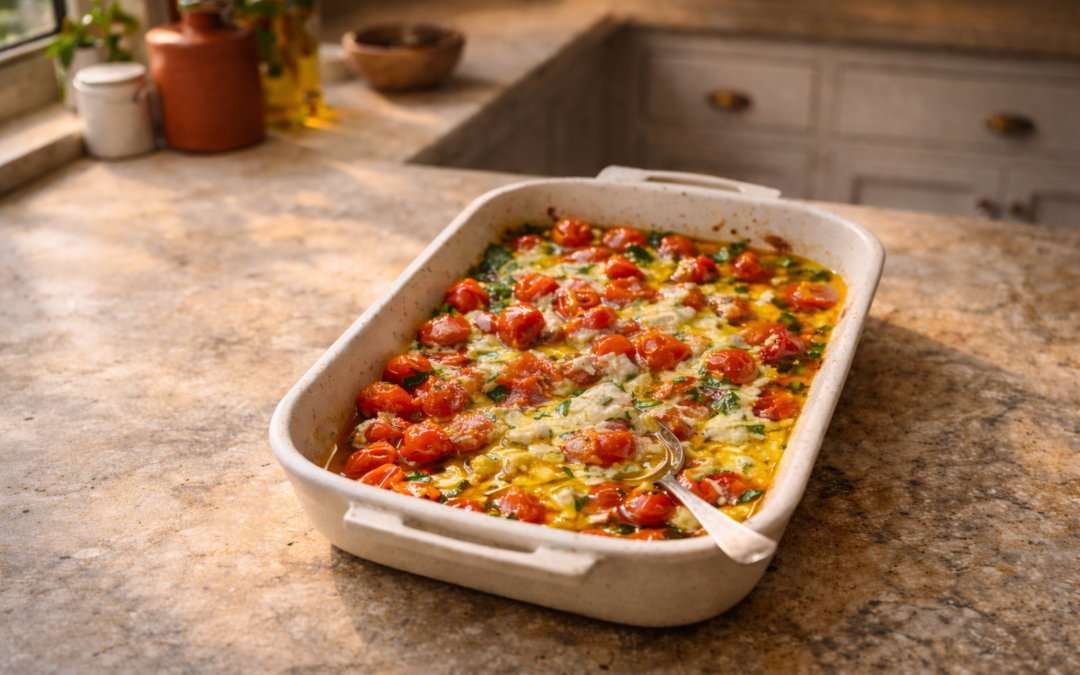
Why This Tomato and Feta Pasta Still Works
The baked tomato and feta pasta didn’t go viral because it was easy.
It went viral because it worked.
A single dish. A hot oven. A handful of ingredients. And suddenly, home cooks everywhere were pulling creamy, balanced pasta out of their ovens with very little effort. Of course, not everyone had the same experience. Some ended up with watery sauce. Others with dry, grainy feta. Many wondered why theirs looked nothing like the video.
The difference wasn’t the recipe.
It was control.
Heat does the heavy lifting
This dish only succeeds when the oven does more than simply “get hot”.
Feta doesn’t melt like mozzarella. It softens gradually. Under steady, even heat, it emulsifies with olive oil and tomato juices, creating a creamy sauce without cream, stirring, or shortcuts. When oven temperatures fluctuate or heat is uneven, feta dries out or splits before that transformation can happen.
This is why consistent oven heat and even heat distribution matter. Ovens designed to hold temperature reliably allow ingredients to change slowly and predictably, instead of reacting to spikes and drops.
👉 Explore ovens designed for consistent heat here:
https://lagermania.co.za/appliances/
Burst, don’t boil
Cherry tomatoes aren’t meant to collapse into soup.
At the right temperature, their skins split just enough to release sweetness and acidity while the flesh stays bright and structured. When heat is too aggressive or uneven, tomatoes boil instead of roast, flooding the dish with liquid and dulling flavour.
Controlled oven heat concentrates flavour instead of washing it away.
Fat is the flavour courier
Olive oil isn’t optional here.
It carries garlic, herbs, and tomato oils into every bite, binding everything together as the feta softens. Too little oil and the sauce tastes thin. Too much uncontrolled heat and the oil separates instead of emulsifying.
Balanced warmth is what allows richness without heaviness.
Pasta water is the quiet hero
One ladle of pasta water changes everything.
The starch pulls the baked feta and tomatoes into a smooth, silky sauce that coats the pasta rather than sinking to the bottom of the dish. Skip this step and the ingredients stay separate, no matter how good they looked in the oven.
It’s a small detail, but it’s where technique quietly shows.
The timing problem most people don’t expect
Even when the bake goes well, timing can undo the result.
Oven dishes like this are often ready before everyone is seated. Left uncovered, the pasta cools quickly. Textures change. What was creamy becomes stiff. What was glossy turns dull.
This is where thoughtful kitchen accessories make a real difference. Heat-retaining solutions allow food to rest briefly without continuing to cook, giving you flexibility instead of pressure. You serve when the moment feels right, not when the clock forces you to.
👉 View kitchen accessories designed to support serving and timing:
https://lagermania.co.za/accessories/
For dishes that benefit from holding warmth without overcooking, dish warmer kits offer a practical solution that supports relaxed, unhurried meals.
👉 View the dish warmer kit here:
https://lagermania.co.za/store/dish-warmer-kit/
Why it still works
This recipe survives beyond the trend cycle because it rewards understanding rather than effort.
It proves that good cooking doesn’t require constant interference. It needs reliable heat, thoughtful timing, and tools that support the way people actually cook and serve.
Some recipes trend.
Others earn a permanent place in your rotation.
This one did both.