
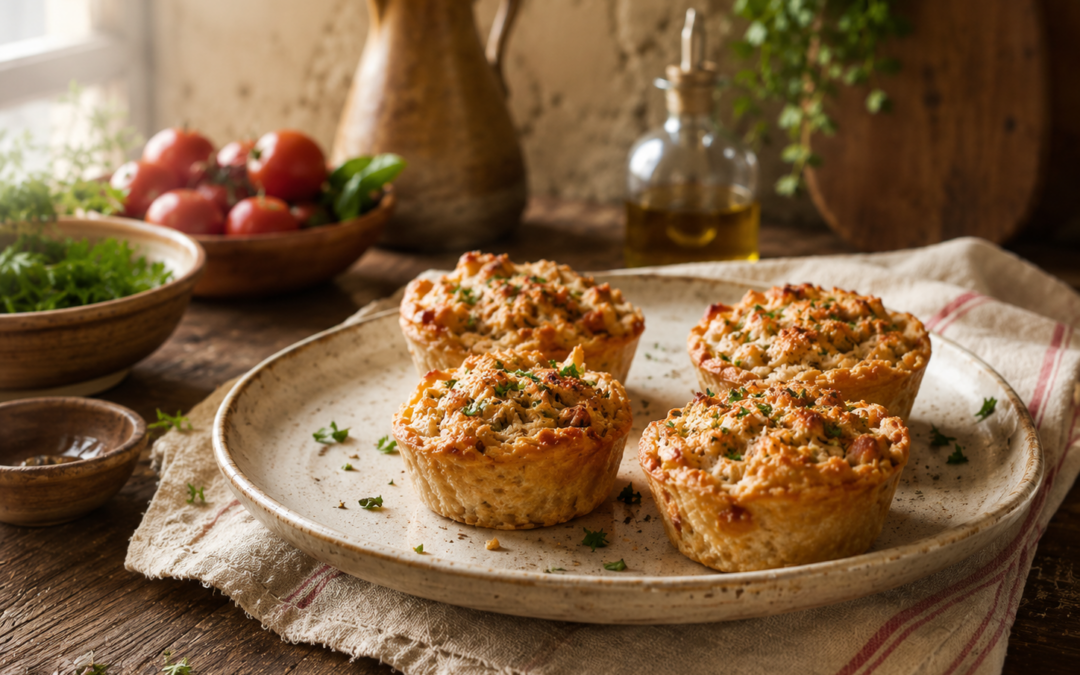
Tuna cups recipe ideas often sound simple on paper, but that is exactly what makes a good one so useful. Jenna Oosthuisen’s version takes the familiar comfort of a tuna bake and reworks it into something smaller, tidier and more practical: individual pastry cups with a savoury filling that suits lunchboxes, light meals and easy entertaining.
This is the kind of student recipe that quietly does more than you expect. On the surface, it looks straightforward. Underneath, it relies on the little things that make all the difference in baking. Cold butter helps the pastry stay tender. Chilling the dough gives it a better chance of holding its shape. Blind baking protects the base from going soggy. And once the filling goes in, steady oven heat helps everything bake evenly without drying out at the edges.
For this La Germania Student Recipes feature, the appeal lies in the format. It is familiar, comforting food, simply made more useful. The result is a savoury bake that feels homemade, practical and just polished enough to look as good as it tastes.
Key points in this recipe:
- Tuna bake, made bite-sized
- Homemade shortcrust pastry
- Cold butter and ice-cold water
- Chilled pastry for better texture
- Blind baking before filling
- Savoury tuna, onion and egg filling
- Light golden pastry bases
- Practical lunchbox appeal
Why This Tuna Cups Recipe Works
There is something satisfying about recipes that take an everyday idea and give it a better structure. That is what happens here. Instead of serving one large tuna bake, this tuna cups recipe turns the same sort of comfort into neat little portions that are ready to pick up, pack or plate.
That shift in format changes the mood of the dish. Individual portions always feel a touch more thoughtful, whether you are serving them at home, packing them into lunchboxes or setting them out for a casual table. The flavour profile remains familiar: tuna, onion, eggs, breadcrumbs and seasoning. The presentation, however, makes the recipe feel fresher.
It is also a very practical dish. These are the sorts of savoury bakes that fit easily into real life. They work for a quick lunch, an after-school snack, a picnic spread or a light supper with a salad on the side. There is no need for extra fuss. The charm is in how useful they are.
The Pastry Is Where the Recipe Begins
A good tuna cups recipe depends as much on the pastry as it does on the filling. Because these are small bakes, the pastry has to do several jobs at once. It must hold its shape, bake through properly and still be pleasant to eat. That means the method matters.
Cold butter is one of the first details worth paying attention to. In shortcrust pastry, it helps create a more tender result. Ice-cold water matters too, because it helps bring the dough together without softening the butter too quickly. Then comes the handling. Gentle hands are always better than overworking. The more you force pastry, the more likely it is to lose its delicacy.
Once shaped, the dough is chilled again. That step is not there for decoration. It helps the pastry firm up before it meets the heat of the oven, which in turn helps reduce shrinkage and improves texture. With smaller pastry cases, these details become even more important because flaws show up quickly.
Why Blind Baking Makes Such a Difference
Blind baking is one of those techniques that home cooks sometimes skip, only to wonder later why the base never quite came right. In this recipe, it is a worthwhile step because the filling carries moisture. If the pastry cases do not get a head start in the oven, the bottom can turn soft and heavy rather than lightly crisp.
By baking the pastry shells first, you give them structure. The cases set, begin to colour and stand a better chance of holding the filling properly once it is added. It is a small piece of kitchen discipline that has a very real effect on the final texture.
For a student recipe, it is also a pleasing reminder that simple food still benefits from technique. Nothing here is difficult, but every step has a reason. That is often what separates a decent result from one that feels genuinely satisfying.
A Savoury Filling That Knows Its Role
The filling here is straightforward, and wisely so. Tuna, onion, breadcrumbs, cayenne pepper, eggs and seasoning come together to make something savoury, neat and full of practical appeal. It does not try too hard, which is part of why it works.
The onion gives the filling a little sweetness and depth. The breadcrumbs help absorb moisture and add body. The eggs bind everything so the filling sets properly inside the pastry case. The cayenne pepper brings just enough warmth to keep the mixture from feeling flat, without pushing it too far into spiced territory.
That balance is important. These are not meant to be showy. They are meant to be useful, comforting and easy to return to. It is exactly the sort of filling that suits the La Germania Student Recipes series: approachable, familiar and sensible enough for everyday cooking.
Where the Oven Earns Its Keep
Small savoury bakes have a way of exposing uneven ovens. If the heat is inconsistent, one tray can produce pale bases, overdone edges and filling that sets irregularly from cup to cup. That is why a recipe like this quietly highlights the value of reliable appliance performance.
With tuna cups, the oven has to support two things at once. First, it needs to help the pastry cases bake cleanly and take on a light golden finish. Then, once the filling is added, it must provide enough steady heat for the centre to cook through without pushing the pastry too far.
This is where La Germania fits naturally into the story. The beauty of a dependable oven is that it supports the quiet details. It helps the pastry hold its colour, gives you more confidence across the tray and makes a recipe like this feel more consistent from batch to batch. When the dish itself is simple, that sort of reliability matters even more.
Ideal for Lunchboxes, Light Meals and Easy Entertaining
One of the strongest things about this tuna cups recipe is how flexible it is. Some dishes belong only at the dinner table. These do not. They move easily between settings, which makes them especially useful.
Packed cold or reheated, they suit lunchboxes well. Served with a green salad, they make a light lunch or easy supper. Plated on a board or platter, they can even work for casual entertaining. It is rare to find a student recipe that feels this practical without becoming dull, but these manage it.
There is also something appealing about their scale. Because they are small, they feel approachable. They are easy to portion, easy to store and easy to serve. That makes them the sort of recipe people actually come back to, rather than simply admiring once and forgetting.
Jenna Oosthuisen’s Student Recipe
Jenna Oosthuisen’s contribution to the La Germania Student Recipes series is a strong example of how small-format cooking can still feel thoughtful. It starts with humble ingredients, uses a few sound techniques and ends with a result that looks neat without feeling overstyled.
That is often where the best student recipes land. They do not try to impress through complication. They impress by being practical, well judged and genuinely useful in a home kitchen. Tuna cups fit that description beautifully.
The recipe also reminds us that everyday food does not need to be oversized to be satisfying. Sometimes shrinking a familiar dish is exactly what gives it new life.
Final Thoughts on This Tuna Cups Recipe
This tuna cups recipe is a clever reworking of a classic comfort idea. By turning a familiar tuna filling into individual pastry cups, it becomes more versatile, more practical and easier to serve. The method is uncomplicated, but the results still rely on attention to detail: cold butter, chilled dough, blind baking and steady oven heat all help shape the final outcome.
For home cooks, that makes this a very useful recipe to keep on hand. It is simple enough for a weekday, neat enough for guests and flexible enough to work across lunchboxes, light meals and casual entertaining. For the La Germania Student Recipes series, it is exactly the sort of dish that proves everyday cooking can still feel considered.
Watch the full Tuna Cups video here:
https://youtu.be/QQwo7FMqPSE
Explore La Germania appliances:
https://lagermania.co.za/appliances/
Learn more about the University of Pretoria here:
https://www.up.ac.za/
Tuna Cups Recipe FAQs
What are tuna cups?
Tuna cups are individual savoury pastry cases filled with a tuna-based mixture. In this recipe, they are made with shortcrust pastry and a filling of tuna, onion, breadcrumbs, seasoning and eggs.
Can tuna cups be made for lunchboxes?
Yes. Tuna cups are ideal for lunchboxes because they are individually portioned, easy to pack and simple to serve. Once cooked, they can also be kept refrigerated in an airtight container for two to three days.
Why does the pastry need to be chilled?
Chilling helps the pastry hold its shape and improves the final texture. It also helps reduce shrinkage during baking.
Why do you blind bake the pastry first?
Blind baking helps the pastry base set before the moist filling is added. This reduces the risk of a soggy bottom and helps the pastry cups hold their shape.
What helps the tuna filling set?
The eggs bind the ingredients together and help the filling cook into a neat texture inside the pastry cases. The breadcrumbs also help give the mixture body.
Why is oven performance important for tuna cups?
Because these are small bakes, uneven heat shows quickly. A steady oven helps the pastry bake evenly and allows the filling to set properly without overbaking the edges.
Can tuna cups be served warm or cold?
Yes. Tuna cups can be served warm from the oven or enjoyed cold once refrigerated. This makes them useful for lunchboxes, light meals and easy entertaining.