
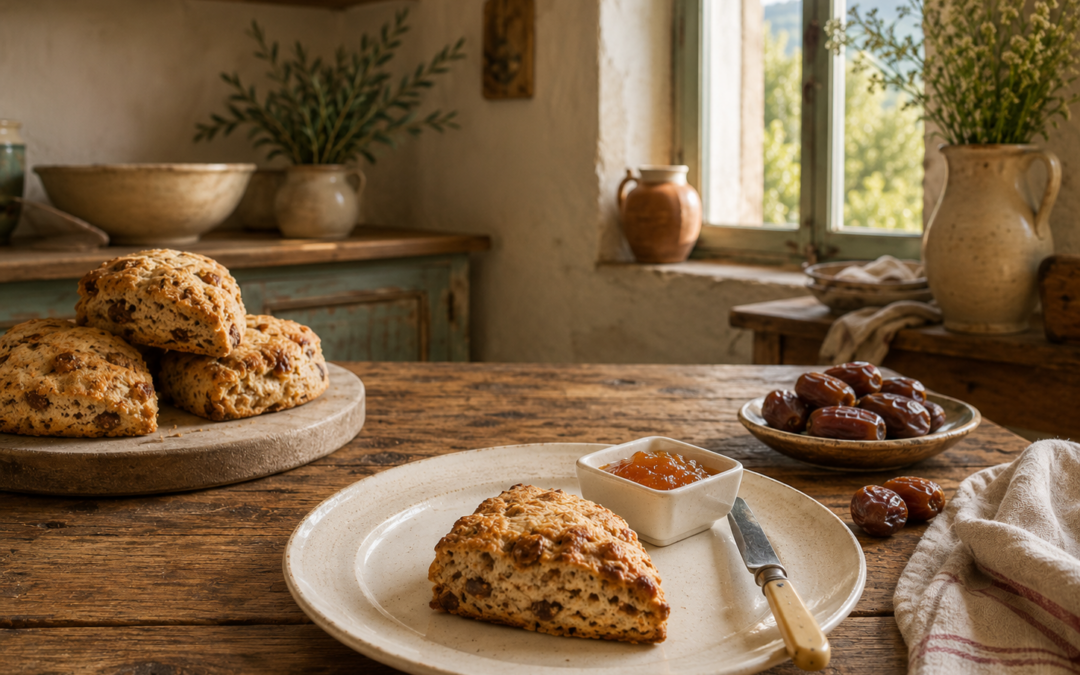
Some bakes do not need to announce themselves. This date scones recipe by Ruthie Mututu has that quiet, old-fashioned charm: simple ingredients, a little cinnamon warmth and dates worked directly into the dough so the sweetness is there from the start.
It is the kind of bake that feels made for tea time, but there is more going on than a quick glance suggests. Good scones rely on small details: cold butter, light hands, enough space on the tray and an oven that holds its heat properly. When the method is this simple, the appliance matters. Even heat helps the scones bake through without drying at the edges, giving you that soft, lightly golden finish every home baker wants.
For this La Germania Student Recipes feature, the beauty is in the balance: a straightforward student bake with enough technique to make it worth paying attention.
Key points in this recipe:
-
Sweetness baked in
-
Dates folded through the dough
-
Cinnamon warmth
-
Cold butter, quick hands
-
A hot, reliable oven
-
Even heat for softer scones
-
Room for the baking tray
-
Serve warm with butter, jam or cheese
Why This Date Scones Recipe Works
The charm of this date scones recipe is that the dates are not treated as an afterthought. They are not simply placed on the side or left for the topping. They are soaked, worked into the dough and allowed to become part of the scone itself.
That small detail changes the way the bake feels. Instead of a plain scone waiting for sweetness from jam, the flavour is already built in. The dates bring a soft, rounded sweetness, while the cinnamon adds quiet warmth without overwhelming the dough.
It is a modest idea, but a good one. The best home baking often works that way. A simple ingredient is used thoughtfully, and suddenly a familiar recipe has more character.
The Technique Behind Softer Scones
Scones may look easy, but they can be surprisingly unforgiving. They do not like heavy hands. They do not respond well to overworking. They need just enough mixing to bring the dough together, and then they need to be left alone.
Cold butter is part of the secret. When butter is rubbed into the dry ingredients by hand, it helps create a lighter texture. The aim is not to make the dough perfectly smooth. In fact, too much handling can make the finished scones heavy instead of tender.
That is what makes this recipe useful for student kitchens and everyday home bakers. It does not ask for complicated technique, but it does remind us that baking is often about restraint. Quick hands, a gentle touch and a little patience can make a noticeable difference.
Why Oven Heat Matters for Scones
A good date scones recipe does not only depend on the dough. It also depends on the oven.
Scones need confident heat from the start. That initial heat helps them rise, set and colour without slowly drying out. If the oven runs unevenly, the outside can brown too quickly while the centre stays heavy. If the heat is too low, the scones may bake for too long and lose the soft texture that makes them appealing.
This is where reliable oven performance becomes more than a technical detail. For a bake like this, steady temperature control, even heat and enough space for the baking tray all help protect the final result.
La Germania appliances are designed for real home cooking, where everyday recipes still deserve consistency. With simple baking, there is nowhere to hide. A well-performing oven helps the baker focus on the dough, the timing and the finish, rather than worrying about hot spots or uneven baking.
A Tea-Time Bake with Built-In Comfort
Date scones sit beautifully between everyday baking and something that feels a little more special. They are not overly rich, but they still feel generous. They are sweet enough to enjoy on their own, but simple enough to serve in different ways.
Warm from the oven, they work well with butter. For a more traditional tea-time plate, jam is an easy choice. Cheese also works surprisingly well, especially if you enjoy a sweet-and-savoury balance. A mature cheddar gives the dates something savoury to play against, making the scones feel less like dessert and more like a proper afternoon bite.
That flexibility is part of their appeal. These are not fussy scones. They are practical, comforting and easy to imagine on a kitchen counter with a pot of tea nearby.
Ruthie Mututu’s Student Recipe
Created by Ruthie Mututu for La Germania Student Recipes, this date scones recipe comes from a simpler, earlier student video. That gives it a different kind of charm. It is not overly polished or dressed up. It feels closer to the way many people actually bake at home: with a bowl, a tray, a few pantry ingredients and a recipe that does not need to perform too loudly.
That honesty works in its favour. The recipe is easy to understand, the idea is clear, and the result is the kind of bake that feels familiar before you have even tasted it.
It also fits neatly into the La Germania Student Recipes series, where the focus is not only on what students cook, but on the small lessons each dish brings into the kitchen. In this case, the lesson is simple: when the sweetness is already in the dough, the scone does not need much else.
Final Thoughts on This Date Scones Recipe
Ruthie Mututu’s date scones recipe is a reminder that good home baking does not always need to be elaborate. Sometimes the charm sits in the smallest details: dates folded into the dough, cinnamon in the background, butter rubbed in by hand and a warm tray of scones coming out of the oven.
It is a humble recipe, but a useful one. It shows how simple baking still relies on technique, from keeping the butter cold to trusting the oven to hold steady heat. For La Germania Student Recipes, that is exactly what makes it worth sharing: a student bake with comfort, character and sweetness already built in.
Watch the full Date Scones video here:
https://youtu.be/GHFKC_GlZyA
Explore La Germania appliances:
https://lagermania.co.za/appliances/
Date Scones Recipe FAQs
What makes this date scones recipe different?
This date scones recipe works the dates directly into the dough. The sweetness is not only added afterwards with jam or butter; it becomes part of the scone itself.
Can you serve date scones with cheese?
Yes. Date scones work well with cheese because the sweet dates and savoury cheese balance each other beautifully. Mature cheddar is a good option if you enjoy a stronger flavour.
Why should butter be cold when making scones?
Cold butter helps create a better scone texture. When it is rubbed lightly into the flour, it helps the dough stay tender rather than heavy.
Why does oven heat matter for scones?
Scones need a hot, reliable oven so they can rise, set and colour without drying out. Even heat helps prevent dry edges and supports a softer centre.
Can date scones be served without jam?
Yes. Because the dates bring natural sweetness to the dough, these scones can be served simply with butter, cheese or even on their own.
Are date scones good for tea time?
Date scones are ideal for tea time. They are simple, comforting and just sweet enough to feel like a treat without being too rich.